
Last updated: August 9, 2026. This PKLIVE guide is written for Filipino readers who want a practical check before making a casino, slot, account, or payment decision. Gambling is for adults only; in the Philippines, PAGCOR responsible-gaming materials identify persons under 21 as not allowed to gamble. Treat gambling as entertainment, set time and money limits, and do not borrow money to play.
Quick answer: A safer gambling budget is decided before play starts. Treat the amount as entertainment cost, set a time limit, avoid borrowing, do not chase losses, and stop if the session starts affecting bills, work, sleep, family, or mood.
Budget advice is only useful when it becomes a rule a reader can follow on a phone. This article turns responsible-gaming principles into a practical pre-session worksheet for money, time, mood, and follow-up decisions.
The key is not finding the perfect bet size. The key is removing decision pressure once the session starts. When the budget and stop point are written before play, the reader is less likely to negotiate with the screen.
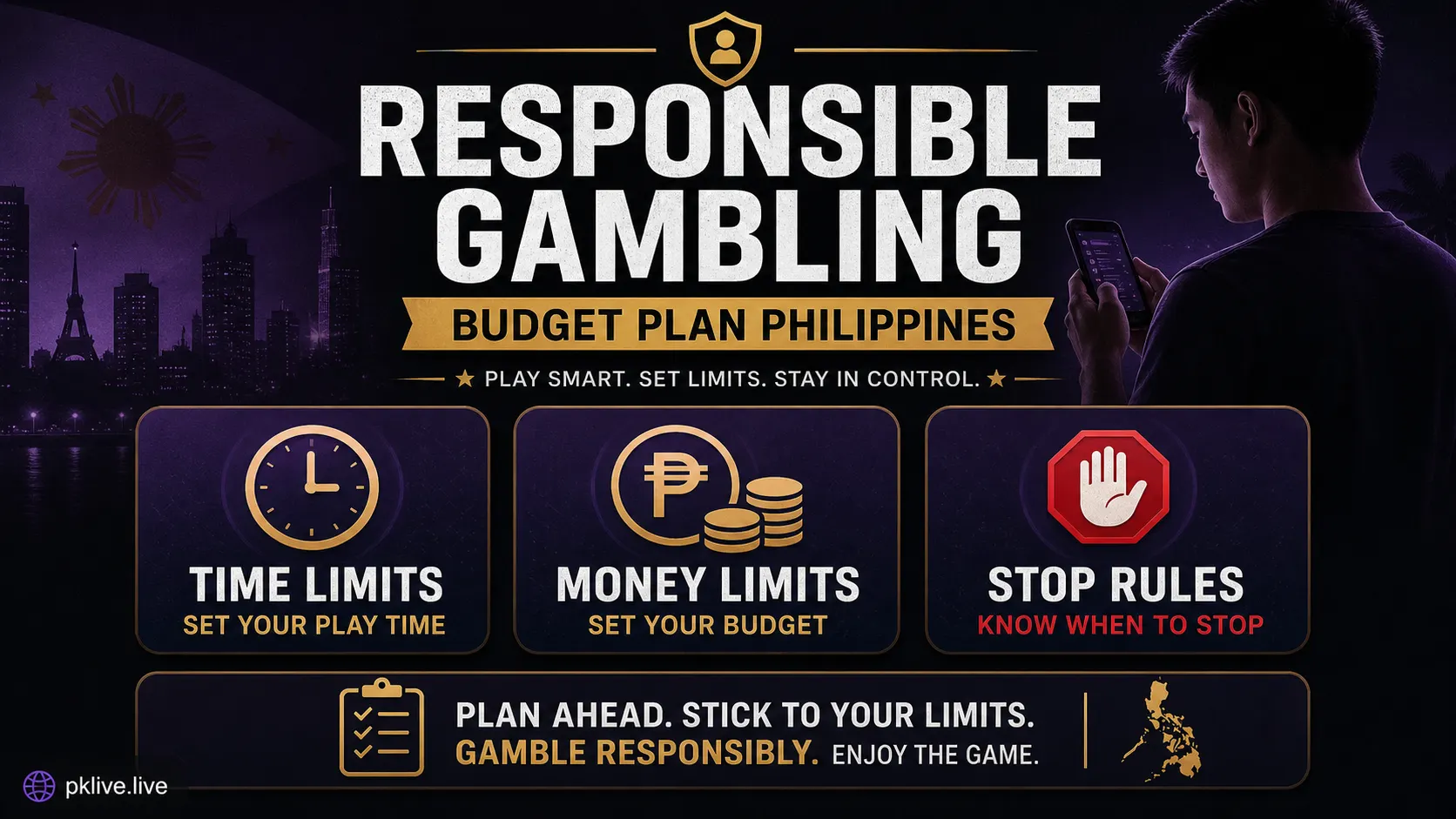
The before-play boundary
This article uses a narrow reader-first framework instead of a broad promotional list. The point is to help you decide what to check, what to save, when to slow down, and which PKLIVE support or trust page should be read next. For platform context, start with the PK LIVE Philippines guide; for money or account questions, keep the Privacy Policy and Contact pages close.
| Check | What to do | Why it matters |
|---|---|---|
| Money limit | Use only entertainment money after bills, food, transport, savings, and family needs. | Protects essential cash. |
| Time limit | Set a session end time before opening the game. | Keeps play from replacing sleep, work, or family time. |
| Mood check | Avoid play when angry, anxious, tired, or trying to solve a money problem. | Reduces impulsive decisions. |
| Stop rule | Write the point where play ends, even if the session feels close. | Prevents chasing behavior. |
The table is meant to be used before action, not after a mistake. Read it once while calm, then apply it when the casino page, game screen, bonus page, or support message is in front of you. If a step cannot be checked, that missing information is itself a decision signal.
What to slow down and question
Most risky decisions happen when the reader feels rushed: a bonus is expiring, a withdrawal feels delayed, a feature seems close, or a message sounds urgent. Slowing down is not the same as giving up. It means moving the decision back to rules, records, budget, and official support paths.
| Red flag | Safer response |
|---|---|
| Borrowing to play | Stop. PAGCOR responsible-gaming guidance warns against borrowing for gambling. |
| Trying to win back losses | Stop and step away from the session. |
| More time than planned | End the session and take a break. |
| Bills or family needs affected | Do not deposit and seek support through responsible-gaming resources. |
A reader plans a 30-minute slot session with a fixed entertainment amount. Before playing, they decide that the session ends when the amount is used, the time limit arrives, or the mood turns from fun to pressure. This works better than deciding in the middle of a fast game.
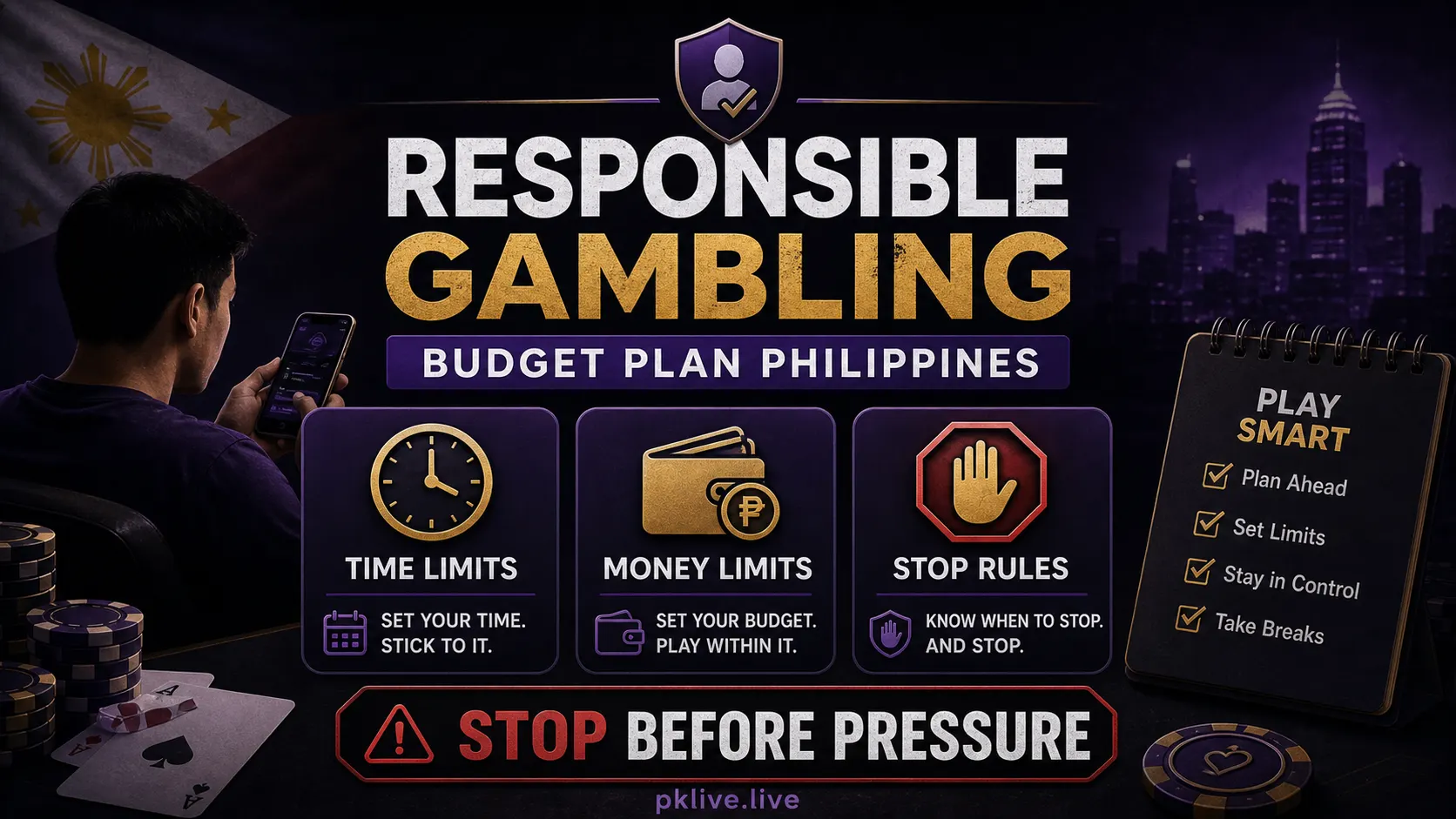
A simple before-action routine
Use this routine before the moment becomes emotional. First, write down the exact action you are considering: upload a document, deposit, claim a bonus, change bet size, contact support, or switch from demo to real-money play. A clear sentence forces the decision out of autopilot and makes the next check easier.
Second, identify the rule source. For a game question, that means the paytable, help screen, RTP note, or rules panel. For an account or payment question, that means the current terms, privacy notice, contact page, support ticket, or transaction record. For a budget question, the source is your own cashflow and written stop rule, not the mood of the session.
Third, choose one next step that does not increase risk. That might be taking a screenshot, reading the terms again, asking support a narrow question, reducing the bet, delaying the deposit, or closing the game for the day. If the next step requires more private data, more money, or more time than you planned, treat that as a reason to pause.
| Moment | Low-risk next step | What to avoid |
|---|---|---|
| Before sharing information | Confirm the official channel and the exact reason for the request. | Sending passwords, OTPs, MPINs, or unrelated private records. |
| Before using money | Compare the action with your entertainment budget and stop rule. | Borrowing, using bill money, or increasing the limit mid-session. |
| Before trusting a claim | Find the rule, term, source note, or support record that supports it. | Acting from a banner, headline, comment, or pressure message alone. |
This routine is deliberately boring. That is the point. A boring checklist protects the reader better than a dramatic promise. It also gives PKLIVE a consistent way to link its game, account, payment, legal, and responsible-use articles without turning every page into the same general guide.
How this fits the PKLIVE reader library
This page is a focused support guide inside the PKLIVE reader library. It should not replace the main PK LIVE Philippines guide, the slot hub, or the site's trust pages. Instead, it gives one specific decision path for readers who need this exact check.
For a fuller path, use these pages together: Responsible Gaming, slot hub, PK LIVE Philippines guide, Terms and Conditions, Contact. The goal is not to make the site feel larger for its own sake. The goal is to give readers a clean route from the immediate question to the next practical safeguard.
Common mistakes to avoid
- Do not use a promotion headline, game theme, or support message as the only source of truth.
- Do not treat short-session outcomes, demo play, or one screenshot as proof of what will happen next.
- Do not share credentials, OTPs, PINs, MPINs, passwords, or recovery codes in any casino-related conversation.
- Do not increase a deposit, bet size, or session time just because you feel close to a result.
- Do not ignore the site's terms, privacy notice, affiliate disclosure, and responsible-gaming page when money or account access is involved.
FAQ
What is a good gambling budget?
One that comes only from entertainment money, never from bills, debt, savings, rent, school, food, or family needs.
Should I increase the budget during play?
No. Decide before play starts and keep the session inside that limit.
What if I feel close to a result?
That feeling is not a budget rule. Stop when the written limit is reached.
Where should I go if gambling feels out of control?
Use official responsible-gaming resources, trusted family support, or professional help. Do not keep playing to solve the stress.
Sources and update note
The budget model follows PAGCOR's public responsible-gaming guidance: gambling should be entertainment, time and money limits should be set, borrowing should be avoided, and chasing losses is a warning sign.
PKLIVE avoids unsupported claims about results, withdrawal approval, bonus value, or platform superiority. Readers should always check current terms and official support before acting.
Related reading
e
g
i
s
t
e
r